The New Standard for Smarter Industrial Operations
The machinery industry is entering a new phase where intelligence, efficiency, and reliability are shaping every design decision. With rising production demands and tighter quality standards, manufacturers are increasingly adopting AI-driven machinery to streamline operations and reduce downtime. This shift is redefining how industrial plants function, from heavy engineering workshops to advanced manufacturing facilities.
AI-powered machines are capable of analyzing large volumes of operational data in real time. By learning from usage patterns, these systems can optimize performance, detect inefficiencies, and automatically adjust parameters for better output. This results in smoother operations, reduced human error, and improved consistency across production cycles.
Smart Maintenance and Equipment The machinery industry is entering a new phase where intelligence, efficiency, and reliability are shaping every design decision. With rising production demands and tighter quality standards, manufacturers are increasingly adopting AI-driven machinery to streamline operations and reduce downtime. This shift is redefining how industrial plants function, from heavy engineering workshops to advanced manufacturing facilities.
AI-powered machines are capable of analyzing large volumes of operational data in real time. By learning from usage patterns, these systems can optimize performance, detect inefficiencies, and automatically adjust parameters for better output. This results in smoother operations, reduced human error, and improved consistency across production cycles.
Smart Maintenance and Equipment Longevity
One of the most impactful trends in modern machinery is predictive and condition-based maintenance. Instead of relying on routine inspections or reactive repairs, AI-enabled machines monitor vibration, heat, load, and wear indicators to forecast potential failures. Maintenance teams can then address issues before they escalate, saving both time and operational costs.
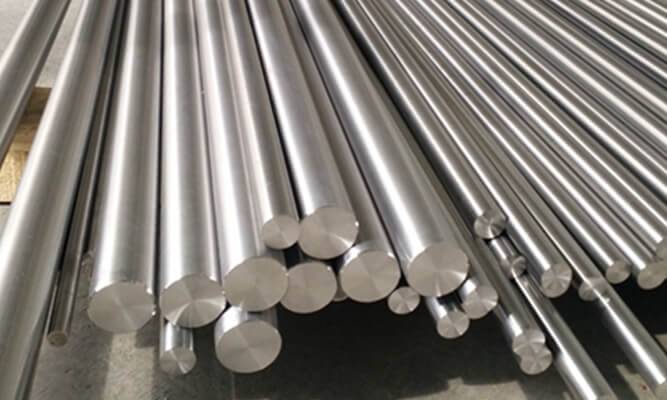
Material selection plays a vital role in supporting this advanced machinery ecosystem. Components exposed to high stress, friction, and temperature must offer excellent strength and wear resistance. For many machinery applications, engineers prefer materials like stainless steel 410 plate due to its hardness, good corrosion resistance, and suitability for shafts, valves, and structural machine parts.
Automation, Robotics, and Precision Engineering
Automation continues to dominate the machinery sector, especially in industries that demand high precision and repeatability. Robotic arms, CNC machines, and automated handling systems are now standard in fabrication and assembly lines. These systems enhance accuracy while significantly reducing cycle times.
Modern machinery is also designed to be modular and scalable, allowing manufacturers to upgrade specific components without replacing entire systems. This flexibility is essential for industries facing frequent design changes and customized production requirements.
Sustainability and Energy-Efficient Machinery
Sustainability is no longer optional in machinery manufacturing. Energy-efficient motors, smart drives, and optimized process control systems help reduce power consumption and operational emissions. Manufacturers are increasingly focusing on machinery that delivers high output while consuming fewer resources.
Durable materials further support sustainability by minimizing replacement frequency and maintenance-related waste. High-strength alloys and hardened plates ensure machines operate efficiently for longer periods, even under demanding conditions.
What Lies Ahead for the Machinery Industry
The future of machinery will be shaped by deeper integration of AI, machine learning, and real-time analytics. Machines will not only execute tasks but also make intelligent decisions to improve productivity and safety. As machinery becomes more advanced, the demand for reliable, performance-driven materials will continue to grow, making options like stainless steel 410 plate a critical part of next-generation industrial equipment.
One of the most impactful trends in modern machinery is predictive and condition-based maintenance. Instead of relying on routine inspections or reactive repairs, AI-enabled machines monitor vibration, heat, load, and wear indicators to forecast potential failures. Maintenance teams can then address issues before they escalate, saving both time and operational costs.
Material selection plays a vital role in supporting this advanced machinery ecosystem. Components exposed to high stress, friction, and temperature must offer excellent strength and wear resistance. For many machinery applications, engineers prefer materials like stainless steel 410 plate due to its hardness, good corrosion resistance, and suitability for shafts, valves, and structural machine parts.
Automation, Robotics, and Precision Engineering
Automation continues to dominate the machinery sector, especially in industries that demand high precision and repeatability. Robotic arms, CNC machines, and automated handling systems are now standard in fabrication and assembly lines. These systems enhance accuracy while significantly reducing cycle times.
Modern machinery is also designed to be modular and scalable, allowing manufacturers to upgrade specific components without replacing entire systems. This flexibility is essential for industries facing frequent design changes and customized production requirements.
Sustainability and Energy-Efficient Machinery
Sustainability is no longer optional in machinery manufacturing. Energy-efficient motors, smart drives, and optimized process control systems help reduce power consumption and operational emissions. Manufacturers are increasingly focusing on machinery that delivers high output while consuming fewer resources.
Durable materials further support sustainability by minimizing replacement frequency and maintenance-related waste. High-strength alloys and hardened plates ensure machines operate efficiently for longer periods, even under demanding conditions.
What Lies Ahead for the Machinery Industry
The future of machinery will be shaped by deeper integration of AI, machine learning, and real-time analytics. Machines will not only execute tasks but also make intelligent decisions to improve productivity and safety. As machinery becomes more advanced, the demand for reliable, performance-driven materials will continue to grow, making options like stainless steel 410 plate a critical part of next-generation industrial equipment.